Twenty-four grams. That's what's sitting in the block of tofu in my fridge right now, and it took me a genuinely embarrassing amount of time to learn that number by heart. When I started cooking plant-based three years ago, I did what most beginners do: I panicked about protein, bought a tub of pea protein powder I hated, and ate it anyway for two months because I thought I had no other option.
I was wrong. The whole time, the answer was sitting in my cupboard, in a bag of lentils I'd been ignoring.
The truth is, getting enough protein from plant sources isn't hard. It's just unfamiliar. Once you know which foods carry real weight, how much they actually deliver, and where the traps are, you stop guessing. This is the guide I wish someone had handed me.
Key Takeaways
- Legumes, soy products, and grains cover most of your protein needs without any animal products
- You do not need to combine rice and beans in the same meal — that myth has been dead for years
- Seitan and soy lead the pack on grams per 100g; most vegetables do not
- Plant protein comes with real downsides: antinutrients, lower B12, and ultra-processed meat substitutes
- Fatigue, slow healing, and constant hunger are the signals worth watching
What plant-based food is highest in protein?
If you want one answer, it's seitan. Roughly 25 grams of protein per 100g, which puts it above tofu, above tempeh, and above most beans. The catch is that seitan is pure wheat gluten, so it's off the table if you're avoiding gluten or you have celiac disease.
Behind seitan, the leaderboard looks like this: soybeans and edamame sit around 11-13g per 100g cooked, tempeh lands near 19g, firm tofu around 12-15g, and lentils come in at about 9g per cooked cup. That last number surprises people. Lentils get called a "protein powerhouse" so often that beginners assume they're comparable to meat. They're not. A cup of lentils is a solid contribution, not a main event.
The swap that changed my cooking
Here's what actually moved the needle for me. Instead of building meals around vegetables and hoping protein shows up, I started building around one anchor: tofu, tempeh, seitan, or beans. Vegetables became the side. My daily protein went from what I now estimate was around 45g to closer to 90g, without any powder at all.
The other thing I stopped doing: treating beans as a garnish. A tablespoon of chickpeas on a salad does nothing. A full cup does.
How to get 40 grams of protein without meat
This is easier than it sounds. One combination I eat most weeks:
- 150g firm tofu, pan-fried — about 18g
- A cup of cooked edamame on the side — 11-13g
- Half a cup of quinoa — 4g
- Two tablespoons of hemp seeds sprinkled on top — 6g
That lands you near 40g in a single bowl, and nothing in it comes from an animal. The trick is stacking two or three moderate sources rather than hunting for one hero ingredient.
The amino acid question that trips up everyone
You've probably heard that plant proteins are "incomplete" and you must pair rice with beans at the same meal. I believed this for months. I genuinely planned my dinners around it, which is a tedious way to cook.
The reality is simpler. Your body maintains a pool of amino acids and draws from it across the day. You don't need to combine anything at a single sitting — you just need variety across your meals. Eat beans at lunch and grains at dinner, and you're fine.
Which brings up an obvious problem.
If you eat the same three foods on rotation, you can still fall short on certain amino acids even while hitting your total grams. Variety isn't a nice-to-have here. It's the actual mechanism. Rotate your sources, and the completeness problem quietly disappears.
What is "poor man's protein"?
It's an old phrase, and depending on who you ask, it points to a different food. In much of West Africa and South Asia, it means legumes — beans, lentils, chickpeas — because they've historically been the cheapest way to get protein when meat was out of reach. In parts of the American South, it means eggs or peanuts. In some European traditions, it's potatoes.
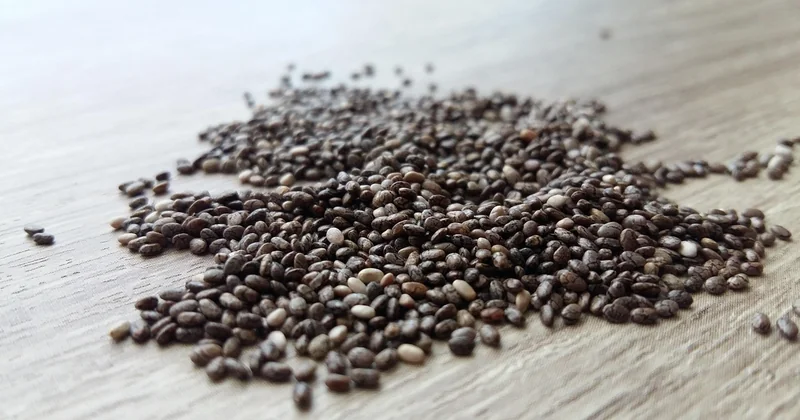
What all these have in common is the logic behind the name: dense protein at a low cost per gram. That logic still holds. Lentils, dried beans, and peanuts remain among the cheapest protein sources you can buy, plant-based or otherwise.
Here's the thing though — "poor man's" doesn't mean inferior. A bag of dried lentils gives you more protein per dollar than almost anything in the store. If cost is your concern, start there.
Is there a downside to plant-based protein?
Yes, and I'd rather you hear it from me than discover it the hard way.
Antinutrients and absorption
Plants contain phytates and oxalates that bind to minerals like iron and zinc and reduce how much you absorb. This isn't a reason to avoid plants. It's a reason to know that the iron in lentils doesn't land the same way as the iron in beef.
The fix is practical: pair iron-rich plant foods with vitamin C. A squeeze of lemon on your lentils genuinely helps. Soaking and cooking beans properly reduces phytate content too.
The nutrients plant protein doesn't carry
Vitamin B12 is the big one. It's essentially absent from unfortified plant foods, and a deficiency builds slowly over years before symptoms show. If you're eating mostly plant-based, fortified foods or a supplement aren't optional. I put this off for a year, and my bloodwork eventually told me why I shouldn't have.
Iron, zinc, and omega-3s also need attention. None of this is difficult. It just requires you to actually pay attention rather than assume a plant-based diet covers everything by default.
The ultra-processed trap
Fake burgers and plant-based sausages are convenient, and they're marketed as health food. Many are heavily processed and loaded with sodium. I leaned on them heavily in my first few months and my grocery bill doubled while my cooking skills stayed flat.
They're fine occasionally. They shouldn't be your foundation.
What are 5 signs you need more protein?
Your body is fairly good at telling you when you're short. The signals are easy to dismiss as tiredness or stress, which is exactly why people miss them.
- Persistent fatigue that doesn't lift after rest — not the ordinary end-of-day tiredness, but a flatness that follows you into the morning
- Losing muscle despite training, or feeling weaker on lifts you used to handle comfortably
- Hair and nails thinning or breaking more than usual
- Wounds and minor cuts healing slowly
- Feeling hungry again an hour after eating, because the meal didn't hold
Any one of these alone could mean something else. Several together, sustained over weeks, is worth a look at your intake — and if you can, a blood test. I ignored the fatigue signal for months and blamed it on a busy schedule. It wasn't the schedule.
A practical comparison for beginners
Numbers make this easier to plan around. Here's how common plant proteins stack up per 100g:
| Food | Protein per 100g | Notes for beginners |
|---|---|---|
| Seitan | ~25g | Highest, but contains gluten |
| Tempeh | ~19g | Fermented, easier to digest |
| Firm tofu | ~12-15g | Versatile, absorbs any flavour |
| Edamame | ~11-13g | Great as a snack or side |
| Lentils (cooked) | ~9g | Cheap, filling, iron-rich |
| Chickpeas (cooked) | ~8-9g | Roast them, or make hummus |
| Quinoa (cooked) | ~4g | Complete amino profile, but low density |
Quinoa is a good example of a food that gets oversold. It has a complete amino acid profile, which is true and nice, but 4g per 100g means you'd need a mountain of it to matter on its own. Use it as a supporting player, not your anchor.
Plant-based protein for weight loss
Protein matters more when you're eating less, because it protects muscle and keeps you full. Legumes are quietly excellent here — the fibre content slows digestion and stretches satiety in a way protein powder doesn't.
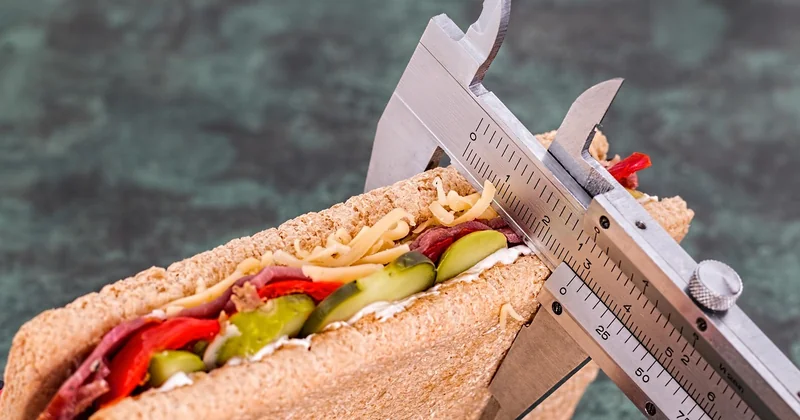
What I'd tell a beginner: don't chase protein at the expense of real food. Build meals around tofu, beans, or tempeh, add volume with vegetables, and let the protein do its job. The ultra-processed substitutes can wreck a calorie deficit fast because they're easy to overeat.
One caveat worth naming. Plant protein sources generally carry fewer calories per gram of protein than fatty meats, but that advantage evaporates if you fry everything in oil. I did this for a while and couldn't work out why my weight wasn't moving.
Where to start this week
Pick one anchor food and one supporting source. Buy them both. Cook something with them tonight, even badly. That's the entire beginning.
The panic about protein fades fast once you have numbers in front of you and a few meals under your belt. What stays is the cooking — the small, unglamorous habit of reaching for the tofu instead of the takeaway menu. Three years in, that's the only thing that actually mattered. The protein took care of itself.