You wake up at 6:40 a.m. with that familiar scratch at the back of your throat. By lunchtime, your nose is running, your head feels packed with cotton, and you're already mentally cancelling the next three days. Sound familiar? Most adults catch two to four colds a year, and the average one drags on for seven to ten days whether you treat it or not. That last part is the bit nobody wants to hear. But here's what actually matters: while you can't delete a cold overnight, you can absolutely blunt its worst symptoms, shorten how long you feel miserable, and avoid the mistakes that stretch a five-day cold into a two-week ordeal.
Key Takeaways
- There is no cure for the common cold—but several natural remedies genuinely reduce symptom severity and duration.
- Honey, saline rinses, steam, and rest have the strongest real-world track record for most people.
- Zinc and vitamin C can help, but timing matters more than dose for either to do anything useful.
- Antibiotics do nothing against a cold. It's viral. Full stop.
- Know the warning signs that mean you should stop self-treating and see a clinician.
Why natural remedies for common cold symptoms still make sense in 2026
I'll be upfront about my bias: I keep a jar of raw honey and a neti pot in the same cabinet as my painkillers, and I reach for the honey first. Not because I distrust pharmacies—I don't—but because a cold is a self-limiting viral infection, and the goal isn't to "kill" it. The goal is to manage symptoms while your immune system does the actual work.
The common cold is caused by more than 200 different viruses, most often rhinoviruses. That number alone explains why no vaccine exists and why every "cure in 24 hours" promise you've ever read is marketing, not medicine. Your body clears the infection on its own, typically within a week to ten days. What you control is how rough the ride feels.
What a cold actually does to your body
Those symptoms you hate—the runny nose, the sneezing, the congestion—aren't the virus attacking you directly. They're your immune response. Your blood vessels dilate, your mucous membranes produce extra fluid to flush out viral particles, and your airways narrow slightly. So when you take a decongestant or sip hot tea, you're not fighting the virus. You're calming your own reaction to it.
That reframe changes which remedies are worth your time. Anything that soothes inflammation, thins mucus, or helps you sleep is doing real work. Anything that claims to "boost immunity" overnight is selling you a story.
How to cure a cold fast overnight: what's realistic
Let's deal with the search you probably typed into your browser at 11 p.m., desperate and congested. Can you cure a cold overnight? No. Can you feel significantly better by morning? Sometimes, yes—and the difference comes down to whether you sleep.
The sleep multiplier nobody talks about
When I first started tracking my own colds in a notebook (yes, I'm that person), I noticed something consistent: the nights I slept seven-plus hours, my symptoms were noticeably lighter the next day. The nights I stayed up working, the congestion lingered for days longer. There's a physiological reason. Sleep is when your immune system does its heaviest lifting—T-cells circulate more actively, and inflammatory cytokines regulate. Shortchange that window and you're fighting with one hand behind your back.
So if you do nothing else tonight: go to bed early. Add a humidifier, prop your head up on an extra pillow, and drink a glass of water before you lie down. That combination won't erase the cold, but it's the closest thing to a reset you'll get.
- Sleep 7–9 hours if you can manage it—this is the single highest-leverage move.
- Elevate your head to reduce overnight postnasal drip.
- Run a humidifier to keep airways from drying out.
- Skip the nightcap. Alcohol fragments sleep and dehydrates you.
The honey spoon
A spoonful of honey before bed is one of the few remedies I'd defend to anyone. It coats the throat, calms the cough reflex, and gives you a small blood-sugar lift that helps you settle. For adults and children over one year old, it's safe and cheap. Never give honey to infants under twelve months—the botulism risk is real and serious.
Natural home remedies for cold and flu: what actually holds up
Here's where I separate the remedies that work from the ones that just feel productive. I've tried most of them, including a few I'm embarrassed to admit.

Saline rinses
Flushing your nasal passages with a saline solution is unglamorous and wildly effective. It physically removes mucus and viral particles, reduces congestion, and—if you're prone to sinus infections—can cut your risk of one developing. Use distilled or previously boiled water, never straight tap water, and clean your device after every use. I learned that lesson the hard way after a sinus infection that I'm fairly sure started with a poorly rinsed neti pot.
Steam and inhalation
A hot shower or a bowl of steaming water with a towel over your head won't shorten the cold, but it loosens mucus and gives you a few minutes of genuine relief. Add a drop of eucalyptus or menthol if you like the sensation—it's mostly a placebo effect on the "breathing freely" feeling, but a pleasant one that costs nothing.
Saltwater gargle
Half a teaspoon of salt in a glass of warm water, gargled a few times a day, reduces throat swelling and pain. It's about as low-tech as medicine gets, and it genuinely helps. I keep a small glass by the sink during cold season.
| Remedy | Best for | Realistic effect |
|---|---|---|
| Honey | Cough, sore throat | Moderate symptom relief, especially at night |
| Saline rinse | Congestion, sinus pressure | Strong for nasal symptoms |
| Steam inhalation | Stuffy nose | Temporary relief, no duration change |
| Saltwater gargle | Sore throat | Reduces pain and swelling |
| Zinc (early) | Shortening duration | Modest, only if started within 24 hours |
| Vitamin C | Prevention in high-stress people | Small effect, not a cure |
The timing question: why "when" beats "what"
Most people start treating a cold on day three, when they already feel terrible. By then, the viral replication peak has passed. This is the mistake I made for years—waiting until I was truly sick before doing anything.
Zinc is the clearest example. Taken within the first 24 hours of symptoms, it can shave roughly a day or two off a cold. Taken on day four, it does essentially nothing. Same logic applies to rest, hydration, and honey. The earlier you intervene, the more you get out of it.
A word of caution on zinc
Zinc lozenges can cause nausea and a metallic taste, and long-term high-dose use has been linked to copper deficiency. Stick to short courses—no more than about a week—and don't exceed the label dose. Nasal zinc sprays have been associated with loss of smell, so I avoid them entirely.
Home remedies for cold and sneezing
Sneezing is your body's way of expelling irritants, so suppressing it entirely isn't the goal. But when you're sneezing twenty times an hour, you want it dialled down.

What helps
- Saline spray to clear irritants from nasal passages.
- Warm fluids—tea, broth, warm water with lemon—to soothe and hydrate.
- Air filtration if you're around dust or pollen, which can amplify sneezing during a cold.
- Avoid strong fragrances and smoke, which trigger more sneeze reflexes.
Honestly, sneezing during a cold is a phase. It peaks early and fades. Your job is to stay comfortable and hydrated while it passes.
Natural cold remedies for adults
Adults have one advantage over kids: you can take honey, use zinc, and make your own judgment calls. But you also have responsibilities that push you to ignore symptoms and power through. That's usually a mistake.
Echinacea
The evidence here is mixed. Some people swear by it; some studies show no effect. I've used it and couldn't tell you definitively whether it helped. If you want to try it, start at the first sniffle. Don't expect miracles.
Vitamin D
Low vitamin D is associated with more frequent respiratory infections, particularly in winter. If you live somewhere with limited sunlight, getting your levels checked is reasonable. Supplementing when you're already deficient is a sensible move; megadosing when you're not does nothing.
Red flags: when a cold isn't a cold
A cold and the flu share symptoms, but the flu hits fast and hard—fever, body aches, exhaustion. COVID-19 can look like either. If you have a high fever, chest pain, difficulty breathing, or symptoms that worsen after day five, stop self-treating and see a clinician. That's not being dramatic; it's being sensible.
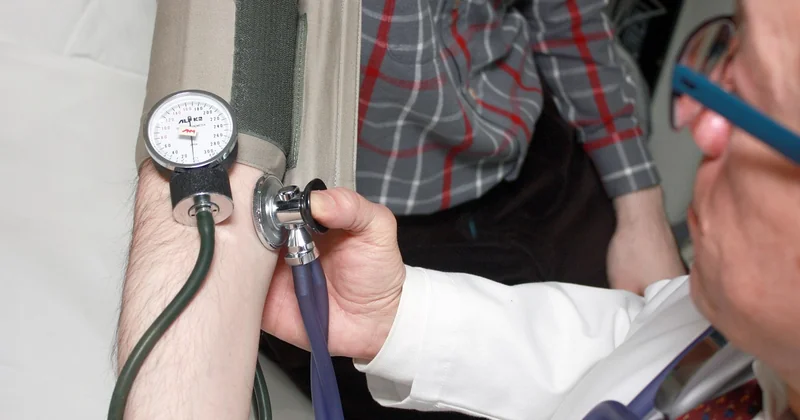
I ignored a "cold" once that turned out to be a sinus infection requiring antibiotics. Two weeks of unnecessary misery because I was stubborn. Learn from my mistake.
The bottom line
Natural remedies won't cure your cold, and anyone telling you otherwise is selling something. But honey, steam, saline, gargling, sleep, and—if you're quick—zinc can make the week genuinely more bearable. The real skill isn't finding a magic cure. It's starting early, resting properly, and knowing when to stop guessing and ask for help.
The next time you feel that scratch in your throat, don't wait until you're flattened. Reach for the honey, the humidifier, and an early night. Your future self will thank you.