How to lower blood pressure naturally: the habits that actually move the number
A patient once told me her doctor gave her three months to bring her pressure down before starting medication. She came back with a notebook full of everything she'd tried: celery juice, a $60 supplement, cold showers. Her reading had barely budged. The problem wasn't effort. It was that she'd spread herself across twenty tactics instead of nailing the four that carry most of the weight.
That's the trap with natural blood pressure control. The internet hands you endless options, and none of them tell you where to start. So let's fix that. Below is what genuinely lowers blood pressure through daily habits, roughly in order of how much impact each one carries, with the numbers and timelines you won't usually see spelled out.
Key takeaways
- Sodium reduction and regular movement are the two levers with the largest measurable effect for most people.
- Expect to see a real change in readings somewhere between two and twelve weeks, not overnight.
- A realistic drop for someone with mild hypertension following a consistent plan is often 5 to 15 mmHg systolic.
- Single "miracle" foods and quick-fix supplements rarely deliver what the marketing promises.
- Home monitoring is what tells you whether any of this is working—without it, you're guessing.
- If your readings stay high after weeks of consistent effort, that's information, not failure. Talk to your doctor.
Why habits beat every quick fix you've heard about
Blood pressure doesn't respond to single actions. It responds to what your body experiences on repeat. That's the whole reason the 3-minute cure you saw online can't work: pressure is a running average, not a switch.
What high blood pressure quietly does while you feel fine
Most people with elevated pressure feel nothing at all. No headaches, no dizziness, no warning. The damage accumulates in the arteries, the heart, the kidneys and the brain over years, which is why the condition gets called silent. The absence of symptoms is exactly why the daily habits matter more than any symptom-driven reaction.
Here's the thing that changed how I think about this: a single high reading in a stressful moment means almost nothing. A pattern of high readings over weeks means a lot. So the first habit isn't dietary at all—it's measurement.
The measurement habit nobody mentions
Take your pressure at home, seated, arm supported at heart level, after five minutes of rest. Do it twice, morning and evening, for a week. Write the numbers down.
I can't overstate how much this reframes the problem. Patients who track consistently stop chasing phantom cures and start seeing which habits move their own number. It costs nothing and it's the only way to know if anything else on this list is working for you.
The habits that actually lower blood pressure
Ranked by impact. Start at the top. Don't try to do all of them in week one—that's the mistake I see constantly, and it usually ends with someone abandoning the whole plan by day ten.
1. Cut sodium by cooking more, not by reading labels harder
The average adult eats far more sodium than the body needs, and most of it doesn't come from the salt shaker. It comes from packaged food, restaurant meals, deli meat, bread, and anything sold in a jar.
You can spend hours comparing labels. A faster route: cook more of your own meals from basic ingredients. When you control the pot, you control the salt. Aim to keep daily sodium in the range most health authorities recommend—generally under 2,300 mg, and lower if your doctor has told you to go stricter.
A practical note from experience: taste buds adapt. After two or three weeks of reduced salt, food that used to taste normal starts tasting aggressively salty. That shift is real, and it makes the change sustainable rather than a permanent act of willpower.
2. Move most days, not heroically
You don't need to run. Brisk walking, cycling, swimming, even gardening at a pace that raises your breathing—the research consistently points to roughly 150 minutes of moderate activity per week as the target. That's about 30 minutes on five days, or split it however fits your schedule.
The part people underestimate is consistency. Three brutal workouts on the weekend and nothing Monday through Friday won't do what five moderate walks will. Your arteries respond to frequency.
- Start with 10–15 minutes if you're currently sedentary
- Build by about 10% per week until you hit the target
- Anything counts if it raises your heart rate and you can still talk
- Strength training twice weekly adds a modest extra benefit
3. Lose a little weight—small amounts count
You don't need to reach an ideal weight. Losing even a few kilos tends to produce a measurable drop in pressure for people carrying extra weight, and the effect is roughly proportional to how much you lose. The first few kilos are often the easiest and give the clearest early return.
4. What to drink and what to eat
Beetroot juice, pomegranate juice, hibiscus tea, and low-fat dairy all have some support for modest blood pressure effects. Modest is the operative word. None of them replaces the bigger levers above.
On food, the pattern that shows the strongest results is a diet heavy in vegetables, fruit, whole grains, legumes, nuts, and lean protein, with limited red meat, sweets, and processed items. This is essentially what the DASH eating pattern describes. Potassium-rich foods—bananas, potatoes with skin, spinach, beans, yogurt—help the body shed sodium, provided your kidneys are healthy and your doctor hasn't restricted potassium.
5. Limit alcohol and stop smoking
Alcohol raises pressure directly, and the effect shows up with regular drinking even at amounts people consider moderate. Cutting back often produces a visible change within a few weeks.
Smoking is a separate story. Each cigarette causes a temporary spike, and the long-term damage to blood vessels compounds. Quitting is the single most valuable thing a smoker can do for cardiovascular risk, full stop.
6. Sleep and stress, the underrated pair
Short sleep and untreated sleep apnea both keep pressure elevated. If you snore heavily and wake unrefreshed, that's worth investigating—it's a common and often-missed driver.
For stress, the honest answer is that no single technique fixes it. What helps is a routine: regular sleep and wake times, some daily downtime that isn't a screen, and slow breathing exercises that deliberately calm the nervous system. Ten minutes of slow, paced breathing a day is a reasonable starting point.
How fast can you lower blood pressure naturally, and by how much?
This is where most articles get vague, so let's be concrete.
Some effects are quick. Cutting sodium can shift readings within days to a couple of weeks. Alcohol reduction often shows up within two to four weeks. Weight loss, fitness, and diet changes build over one to three months. Sleep improvements can take longer, depending on the cause.
| Habit | Typical time to effect | Typical systolic change |
|---|---|---|
| Sodium reduction | 1–4 weeks | 2–8 mmHg |
| Regular aerobic activity | 4–12 weeks | 4–9 mmHg |
| Modest weight loss | 1–3 months | 1 mmHg per kilo lost, roughly |
| Cutting back alcohol | 2–4 weeks | 2–4 mmHg |
| Better sleep / apnea treatment | Variable, weeks to months | Highly individual |
Combine several of these and the effects add up. Someone with mild hypertension who follows the plan consistently might see a total drop in the range of 5 to 15 mmHg. That's meaningful—often enough to delay or reduce medication, sometimes enough to avoid it entirely, depending on where you started.
What doesn't work: the supplements and instant cures
Here's where I'll be blunt. The searches for "how to lower blood pressure instantly" and "supplements to lower blood pressure immediately" lead to a lot of products that promise a fast fix and deliver a temporary blip at best.
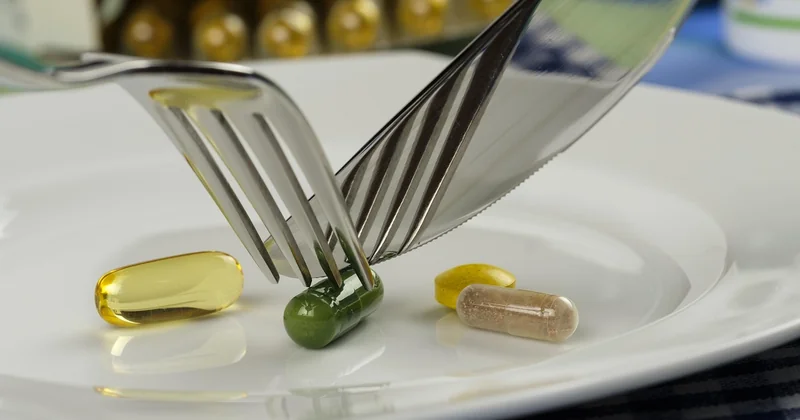
Some supplements have a weak signal—magnesium, potassium, certain amino acids, beetroot extract. But the effects are small, inconsistent between people, and can interact with medications you're already taking. Potassium supplements in particular can be dangerous if your kidneys aren't functioning normally or if you're on certain diuretics.
If you want to try something in this category, run it past your doctor or pharmacist first. Not because I'm being cautious for the sake of it—because the interactions are real and the payoff is usually marginal.
The same goes for the "3-minute cure" style content. There is no technique that drops your pressure permanently in three minutes. There are things that calm you briefly, which can lower a reading for that moment. That's not the same as treating hypertension.
When this isn't enough, and when it's an emergency
Habits aren't a substitute for medical care. They work alongside it.
What should you do if your blood pressure reading is dangerously high right now?
If you get a reading above 180/120 mmHg, wait five minutes and take it again. If it's still that high, seek emergency care. If you have chest pain, shortness of breath, weakness, vision changes, difficulty speaking, or severe headache alongside a very high reading, call emergency services immediately. Don't try to manage it at home.
For routine high readings without those symptoms, book an appointment. High pressure over time damages organs even when you feel perfectly fine, and that's the whole reason the condition earns its silent reputation.
What if my blood pressure stays high after weeks of good habits?
Then the habits did their job—they gave you information. Some people simply need medication, and needing it isn't a personal failure. Blood pressure has strong genetic and age-related components that no amount of celery juice overrides.
What you should never do is stop or adjust prescribed medication on your own. That's the most common dangerous mistake I see in this space, and the consequences can be serious.
Foods to watch if you're trying to bring your numbers down
Rather than a long list of forbidden items, think in categories. The biggest contributors to a high-sodium, pressure-raising diet tend to be:
- Processed and cured meats—bacon, sausage, ham, deli slices
- Canned soups, sauces, and ready meals
- Most restaurant and takeaway food, which is saltier than home cooking by a wide margin
- Salty snacks—chips, crackers, salted nuts
- Bread and cheese, which sneak in more sodium than people expect
You don't have to eliminate any of these. You have to notice how often they show up on your plate.
Putting it together without burning out
Pick two habits. Just two. Sodium and walking is a good pair to start with, because both are concrete and both show effects within weeks. Track your readings. If they move, add a third habit. If they don't after a month of genuine consistency, you've learned something valuable about your own body, and it's worth bringing that information to your doctor rather than pushing harder on your own.
The urge to fix everything at once is the enemy here. Blood pressure rewards patience and consistency far more than intensity, and the people who succeed at managing it naturally are rarely the ones who did the most in the first week. They're the ones still doing the modest stuff six months later.
That's the part no supplement ad will ever tell you, and it's the only part that counts.