Everyday habits that support a strong immune system (and the two that quietly wreck it)
Every January, my wife gets sick. Every January, I don't. Same house, same weather, same two kids dragging home whatever is circulating at school. For years I assumed I was just lucky. Then I started paying attention to what was actually different between us, and it wasn't luck at all. It was about six small habits I'd drifted into over the past decade without ever deciding to adopt them.
The immune system is not a muscle you train once and forget. It runs on timing, consistency, and a few levers most people ignore because they sound too boring to matter. The good news: those levers are genuinely free.
Key Takeaways
- A strong immune system rarely announces itself. Fast wound healing, steady energy, and gut regularity are better signals than "I never get sick."
- Sleep consistency beats sleep duration. Going to bed at the same hour matters more than squeezing in one extra hour on Sunday.
- Chronic stress is the single biggest immune suppressor in daily life, and it works by raising cortisol, which blunts the activity of your infection-fighting white blood cells.
- No food, drink, or supplement boosts your immune system in 24 hours. Anyone promising that is selling something.
- The habits stack. Sleep makes exercise tolerable, exercise lowers stress, lower stress improves sleep. Break one link and the others wobble.
What are 5 signs of a strong immune system?
I'll admit I used to measure my immunity by how often I caught a cold — a terrible metric, because plenty of people who "never get sick" are just mildly symptomatic and spreading things around. Doctors I've talked to tend to look at these instead:

- Wounds heal fast. A paper cut that closes in two or three days suggests your inflammatory response is doing its job and then standing down.
- Digestive regularity. A large share of your immune tissue sits in your gut lining, so chronic bloating or irregularity is worth a look.
- Energy that doesn't crater at 3 p.m. Persistent fatigue is one of the first things people notice when something is off.
- You recover from a cold in under a week, without it turning into a sinus infection or a two-week cough.
- You sleep through the night. Waking repeatedly often tracks with inflammation or stress load, not just caffeine.
And the flip side
Notice what's missing: frequency of illness. A person who catches two mild colds a year and shakes them in four days is in better shape than someone who catches none and feels exhausted constantly. This is why I stopped bragging about my streak.
What are some habits that can help boost my immune system?
Here's the thing most listicles won't tell you: the biggest gains don't come from adding anything. They come from removing a few things you're doing every day without thinking.
Anchor your sleep to a fixed window, not a fixed duration
Three years ago I was sleeping seven and a half hours a night, on average, and getting sick twice a winter. When I started tracking my actual bedtime instead of my total hours, the problem jumped out: I was going to bed anywhere between 10 p.m. and 1:30 a.m. My body never knew what to expect.
I set a hard bedtime of 11 p.m. and stopped negotiating with myself. Same seven and a half hours. Different result. I've gone two winters now with nothing more than a scratchy throat that lasted a day.
Why it works: much of your immune surveillance — the patrolling that clears abnormal cells and early infections — is tied to your circadian rhythm. Shift that rhythm around and you blunt the patrol.
Get daylight in your eyes before your first coffee
Ten minutes outside, ideally within an hour of waking. This isn't a wellness cliché; it's how you set the clock that governs everything below. In winter I use a bright lamp at my desk because I live somewhere with genuinely grim mornings.
Walk daily, don't run yourself into the ground
Moderate movement supports immune function. Extreme endurance training, without adequate recovery, does the opposite — that's well documented among marathon runners, who report more upper respiratory infections in the weeks after a race. For most people reading this, the risk isn't overtraining. It's doing nothing. A 30-minute walk, five days a week, is enough to matter.
Eat for your gut bacteria, not for a "booster"
I tried the powdered mushroom blends. I tried the high-dose zinc lozenges. Total waste of money for me, and the third week of zinc gave me a metallic taste I couldn't shake for days. What did change things was boring: 30 grams of protein at breakfast and a serving of fermented food most days — plain yogurt, kefir, sauerkraut. Protein supplies the amino acids your immune cells are built from. Fiber and fermented foods feed the bacteria that train those cells.
Treat stress as an immune habit, not a mental health footnote
This is the one I'd defend to the end. When cortisol stays elevated for weeks, your white blood cells respond less effectively to signals telling them where to go. I watched this play out during a brutal work quarter two years ago: same diet, same sleep, same walking. I got sick in week nine anyway.
What actually worked wasn't meditation apps. It was a hard stop at 7 p.m. — laptop closed, phone in another room — and a rule that I don't answer anything urgent after that unless someone is in a hospital.
Wash your hands like you mean it
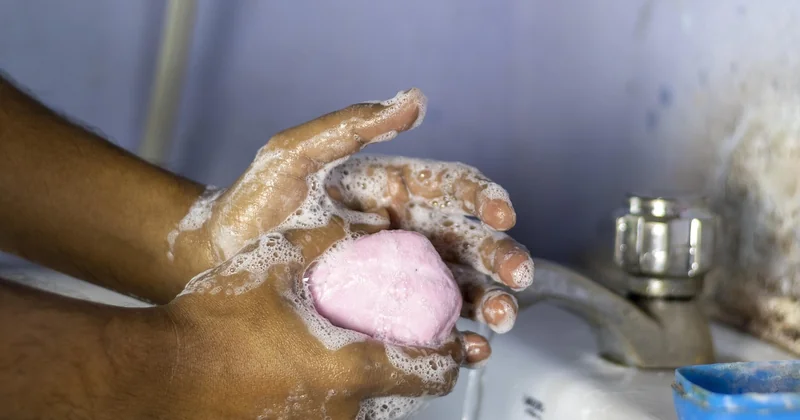
Twenty seconds, warm water, backs of hands and between fingers. It sounds too obvious to include, and yet it remains the highest-return habit on this entire list during cold and flu season.
Don't smoke, and go easy on the alcohol
Both directly impair the cells that coordinate your first-line defense. Alcohol in particular disrupts sleep architecture even when you fall asleep easily, so a nightcap trades tonight's drowsiness for tomorrow's weaker defenses.
What weakens your immune system the most?
If I had to pick one, it's chronic psychological stress. Not a bad week — months of it. It's more damaging than a mediocre diet because it's harder to notice and it compounds with everything else.
The runners-up, in my experience and in what clinicians consistently describe:
- Sleep deprivation, especially the chronic kind spread over weeks
- Alcohol most nights of the week
- Smoking
- Untreated nutrient deficiencies — vitamin D and iron are the common ones
- Social isolation
That last one surprises people. Loneliness correlates with worse immune outcomes across a range of measures. Your body reads isolation as threat.
What are 7 ways to boost your immune system?
Pulling the thread together into something you can actually start tomorrow:
- Fix a bedtime and keep it, weekends included.
- Get outside in daylight within an hour of waking.
- Move moderately for half an hour, most days.
- Eat protein at breakfast and fermented food somewhere in the day.
- Shut work off at a fixed hour and mean it.
- Wash your hands when you come home, before you touch anything else.
- Keep in regular contact with two or three people who actually know you.
How fast can you actually boost your immune system?
Can I boost my immune system in 24 hours?
No. And I'd be suspicious of anyone who says otherwise. What you can do in 24 hours is stop actively suppressing it — skip the alcohol, get a full night's sleep, eat a real meal, and drink enough water. That's damage control, not a boost.
What can I drink to boost my immune system?
Water is the honest answer. Staying hydrated keeps the mucus membranes in your nose and throat working as a physical barrier. If you want something warm, ginger tea with honey is pleasant, and honey has mild antimicrobial properties. I drink it because I like it, not because it's a cure.
The pattern that actually matters
| Habit | Cost | Time to see effect | How often I skip it |
|---|---|---|---|
| Fixed bedtime | Free | 2–3 weeks | Rarely |
| Morning daylight | Free | Days | Often in winter |
| Daily walk | Free | Weeks | Maybe once a week |
| Fermented food | Low | 1–2 months | Frequently — I forget |
| Hard work cutoff | Free, but hard | Weeks | Too often |
Look at that last column. My immune-supporting routine is not a routine. It's a set of intentions I hit maybe 70 percent of the time, and that has been enough to change my winters noticeably.
The mistake I made for years was treating this as an all-or-nothing program — the perfect sleep schedule, the perfect diet, the perfect supplement stack. That version lasted about eleven days. What lasted was picking the two levers that moved the most for me, sleep consistency and the evening cutoff, and letting the rest be approximate.
So here's the question I'd leave you with: if you tracked your bedtime for two weeks, would it look like a schedule or a random number generator? Because that answer probably tells you more about your immune system than any bottle on your shelf.