You finish a good meal. Within twenty minutes, your stomach has turned on you — heavy, bloated, tight under the ribs. So you do what most of us do: you lie down, or you reach for a fizzy drink, or you push through it. All three make it worse. I learned this the hard way after years of eating late dinners and wondering why I felt like a balloon by 9 p.m.
The truth is that natural ways to support digestion after meals come down to a handful of mechanics most people never think about: how you sit, how you move, what you sip, and how much you chew. None of it requires supplements, and none of it is complicated. It just requires knowing what actually helps versus what only feels like it should.
Key Takeaways
- A 10 to 15 minute walk after eating beats lying down by a wide margin — it speeds stomach emptying and reduces bloating.
- Bitter greens and a small amount of apple cider vinegar stimulate bile flow, which is what actually breaks down fats.
- Cold drinks and large volumes of liquid during a meal dilute stomach acid and slow everything down.
- Peppermint, ginger, and fennel teas are the three most reliable post-meal infusions, each working on a different part of the problem.
- Chewing is the most underrated digestive tool you own — most people chew each bite for under 10 seconds.
- If bloating happens after every single meal for weeks, that is a signal to see a doctor, not to buy another supplement.
What actually happens after you eat
Digestion is not one process. It is a relay race, and it starts before food even touches your tongue.
Saliva contains amylase, an enzyme that begins breaking down starch the moment you bite. Chewing signals your stomach to prepare acid. Once food arrives, the stomach churns for anywhere from 40 minutes to several hours depending on what you ate — fat takes longest, protein sits in the middle, and simple carbs move through fastest. From there, the partially digested mass drops into the small intestine, where bile (produced by the liver, stored in the gallbladder) emulsifies fats and pancreatic enzymes finish the job.
Everything that slows this chain down produces the same symptoms: bloating, gas, that brick-in-your-stomach feeling. And almost everything that slows it down is a habit, not a medical condition.
Why lying down is the worst thing you can do
The stomach sits at an angle. Gravity helps push contents downward toward the pyloric sphincter, the valve that releases food into the small intestine. Recline, and you flatten that angle. Acid pools against the lower esophageal sphincter — the ring of muscle that is supposed to stay shut — and for a lot of people, it opens. That is reflux, and it is why heartburn hits hardest when you eat late and go straight to bed.
Sitting upright, or better, standing and moving gently, keeps the geometry working in your favour.
What helps digestion after a meal?
Movement, posture, and temperature. That is the whole answer, and I will defend it.
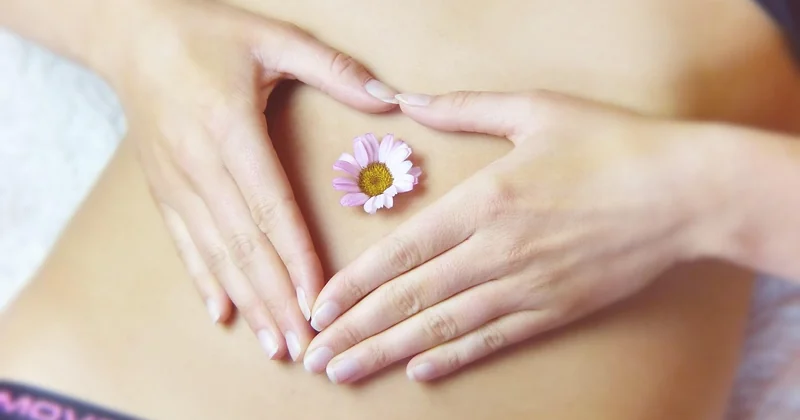
When I started taking a short walk after dinner — nothing strenuous, just 12 minutes around the block — the bloating I had accepted as normal for years dropped noticeably within the first week. Not eliminated. Reduced enough that I noticed. That tracks with what happens physiologically: mild movement stimulates gastric motility and speeds up the rate at which the stomach empties.
The 10-minute rule
Do not walk immediately. Give your body five to ten minutes to settle, then head out. Fast enough to feel purposeful, slow enough to hold a conversation. Ten to fifteen minutes is the sweet spot I have landed on after experimenting with shorter and longer versions — twenty minutes is fine, but I rarely need it.
What you should avoid: crunches, running, heavy lifting, or anything that compresses the abdomen. Those push stomach contents the wrong direction.
Posture and clothing
- Sit upright for at least 30 minutes after your last bite. Reading, talking, working at a desk — all fine.
- Loosen your waistband. Sounds trivial. A tight belt or high-waisted trousers create external pressure on a stomach that is already distended.
- Do not lean back into a sofa even if you stay seated. A reclined seat is a reclined stomach.
- Wait two to three hours before lying flat if you are prone to reflux.
None of this is dramatic. That is precisely why it works — it removes obstacles rather than adding interventions.
What drink improves digestion?
Your instinct after a heavy meal is probably wrong. Cold water, soda, or a large glass of anything dilutes the hydrochloric acid your stomach needs to break food down. The volume matters more than the type: drinking 500 ml during a meal can noticeably slow gastric emptying.
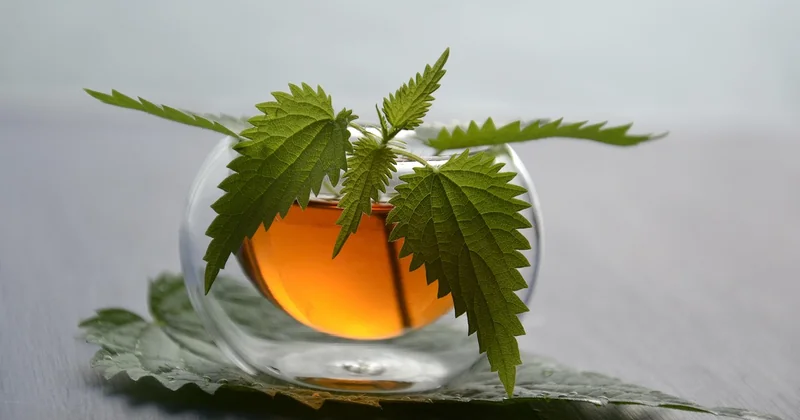
What works instead is small, warm, and specific.
Three infusions worth your time
Peppermint tea. Menthol relaxes the smooth muscle of the digestive tract, which eases cramping and spasms. It is the one I reach for when a meal was too rich. One caution: if you already have reflux, peppermint can loosen the esophageal sphincter further and make heartburn worse. It is a trade-off, not a universal fix.
Ginger tea. Fresh ginger contains gingerols that accelerate gastric emptying and reduce nausea. I slice three or four thin coins into hot water and let it steep for eight minutes. It is sharp, and it works.
Fennel or anise seed tea. These contain anethole, a compound that relaxes intestinal muscles and helps expel trapped gas. This is the one I use specifically for bloating rather than heaviness — the effect is different, and it took me a while to notice that.
What about apple cider vinegar?
A teaspoon in a small glass of warm water before or after a protein-heavy meal is a common recommendation, and the logic holds: acetic acid can support the stomach's own acid environment, which helps activate digestive enzymes. I have used it on and off. Honestly? The effect is modest and easy to overstate. It has never done for me what a walk does. If you try it, dilute it — undiluted vinegar is rough on tooth enamel and the esophagus.
How to calm an inflamed gut naturally?
First, a distinction that matters. Occasional bloating after a rich dinner is not an inflamed gut. Persistent inflammation produces different signs: pain, changes in bowel habits that last weeks, fatigue, sometimes skin flare-ups. If that describes you, this is a conversation for a doctor, not a blog.

For the everyday version — a gut that feels irritated, reactive, easily thrown off — the approach is about removing irritants before adding remedies.
What to take out
- Alcohol. It irritates the stomach lining directly and loosens the esophageal sphincter. A glass of wine with dinner is one thing; three is another.
- Ultra-processed foods and emulsifiers. These are associated with a less diverse gut microbiome, which correlates with more irritation.
- Late, oversized meals. The stomach has a finite capacity for churn per hour. Overflow it and everything backs up.
- Volume drinking during meals, as covered above.
What to add back
Fermented foods — plain yoghurt with live cultures, kefir, sauerkraut, kimchi — introduce beneficial bacteria. Start small. I made the mistake of eating a large portion of kimchi on day one of "improving my gut" and spent the evening regretting it. A tablespoon or two daily, built up gradually over two or three weeks, is the pace your system tolerates.
Fibre matters, but the type matters. Soluble fibre (oats, psyllium, cooked carrots, lentils) ferments gently and feeds good bacteria. A sudden jump to 40 grams of fibre a day, which I attempted once, produces exactly the gas you were trying to avoid. Increase slowly, over weeks.
And bitter greens — arugula, radicchio, dandelion, endive — are genuinely underrated. The bitterness triggers a reflex that increases bile production and digestive enzyme secretion. A small salad of bitter greens before or after a fatty meal does more for fat digestion than most supplements sold for that purpose.
How to improve digestion fast
You cannot digest a meal in five minutes. Anyone claiming otherwise is selling something. But you can move the needle within the same evening, and here is the honest hierarchy of what produces results fastest.
The quick wins, ranked
- Stand up and walk for 12 minutes. Fastest measurable relief for bloating and heaviness. Almost no downside.
- Sip warm water with fresh ginger. Helps within 20 to 30 minutes if nausea or cramping is part of the picture.
- Loosen tight clothing and sit upright. Immediate, free, and consistently underestimated.
- Chew thoroughly for your next meal. Does not fix tonight, but it is the single highest-leverage change going forward. Aim for 20 to 30 chews per bite. I counted once out of curiosity and was chewing roughly eight times. Most people are.
What does not work fast: probiotics (weeks to show any effect), fibre supplements (can worsen gas initially), and digestive enzyme pills bought at random. Enzymes have a real role, but taking a broad-spectrum blend without knowing what you are missing is guesswork. I spent money on those for a stretch and got nothing I could point to.
How to repair digestion naturally?
Repair is a longer project, and it is less about adding a magic food than about rebuilding a rhythm your body recognises.
Eating at roughly the same times each day trains your digestive system to prepare acid and enzymes in advance, rather than being ambushed. That predictability matters more than most people realise. When I shifted from eating dinner anywhere between 7 and 10 p.m. to a consistent 7:30, the difference in how I felt by bedtime was more noticeable than any supplement I had tried.
Three things carry most of the weight over the long run:
| Habit | What it does | Realistic timeline |
|---|---|---|
| Consistent meal times | Trains anticipatory acid and enzyme release | 2 to 3 weeks to feel a difference |
| Gradual fibre increase | Feeds beneficial bacteria, improves regularity | 3 to 6 weeks |
| Daily fermented food | Supports microbiome diversity | 1 to 2 months for noticeable change |
| A short post-meal walk | Speeds gastric emptying, reduces reflux | Immediate, cumulative over time |
Notice that none of these are expensive and none of them are fast. That is the uncomfortable part of gut health: it responds to consistency, not to intensity. The people I know who fixed their digestion did not do it in a weekend.
One last thing worth saying plainly. If you have tried the mechanics — the walking, the chewing, the warm teas, the slower fibre increase — and you still bloat after every meal, still have pain, still see changes in your bowel habits, that is not a willpower problem. That is information. Get it checked.
The meal is over. What you do in the next twenty minutes decides whether you feel light or leaden for the rest of the evening. Most of us were never taught that the twenty minutes mattered at all.